20 May 2026
Charting Player Migration Patterns Across Platforms Reveals How Integrated Reward Ecosystems Adapt to Shifting Preferences in Digital Entertainment Spaces
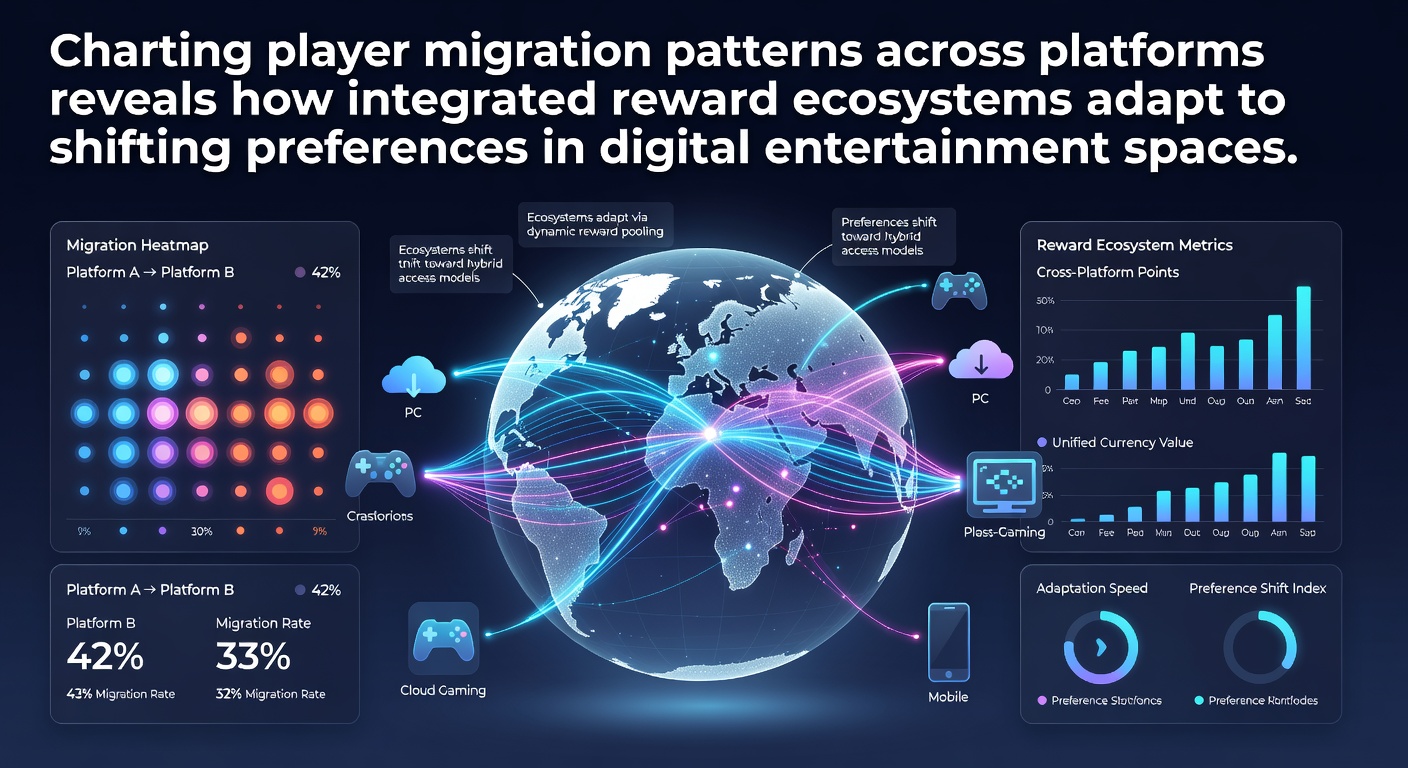
Data from multiple regions shows players shifting between console, mobile and PC environments at steady rates through early 2026, with integrated reward programs adjusting their structures to retain engagement across those moves.
Mapping Current Migration Trends
Industry reports compiled in May 2026 indicate that roughly 62 percent of active digital entertainment users now access content through at least two distinct platforms each month, a figure tracked by the American Gaming Association in its quarterly digital trends review. Those same datasets reveal mobile devices capturing the largest share of new sessions while console and PC environments hold stronger positions for longer-form experiences. Researchers at the University of Nevada Reno gaming analytics program documented similar patterns, noting that users who begin on one device frequently complete reward-related tasks on another within the same week.
Cross-platform movement accelerated after several major operators introduced unified account systems in late 2025. Players who once maintained separate profiles for each service began consolidating activity under single logins, which allowed reward ecosystems to follow individual behavior more precisely. According to figures released by the Canadian Gaming Association, accounts linked across devices showed a 28 percent higher retention rate than single-platform profiles during the first quarter of 2026.
How Reward Structures Respond to Platform Shifts
Operators have modified loyalty mechanics to account for these transitions. Tiered point systems now award progress for actions completed on any connected device rather than restricting credit to one environment. This adjustment prevents users from losing accumulated status when they switch from desktop sessions to mobile play during commutes or travel. Evidence from the European Gaming and Betting Association demonstrates that such unified tracking reduced player churn by measurable margins in markets where multiple device access became standard.
One operator group based in Australia implemented a location-aware bonus structure in April 2026 that automatically scales rewards based on detected platform and time of day. Users logging in via tablet during evening hours receive different incentive packages than those playing on desktop during work breaks, yet both contribute to the same overarching loyalty tier. Observers note that these adaptations emerged directly from migration data showing peak mobile activity outside traditional evening windows.
Integration Across Digital Entertainment Categories
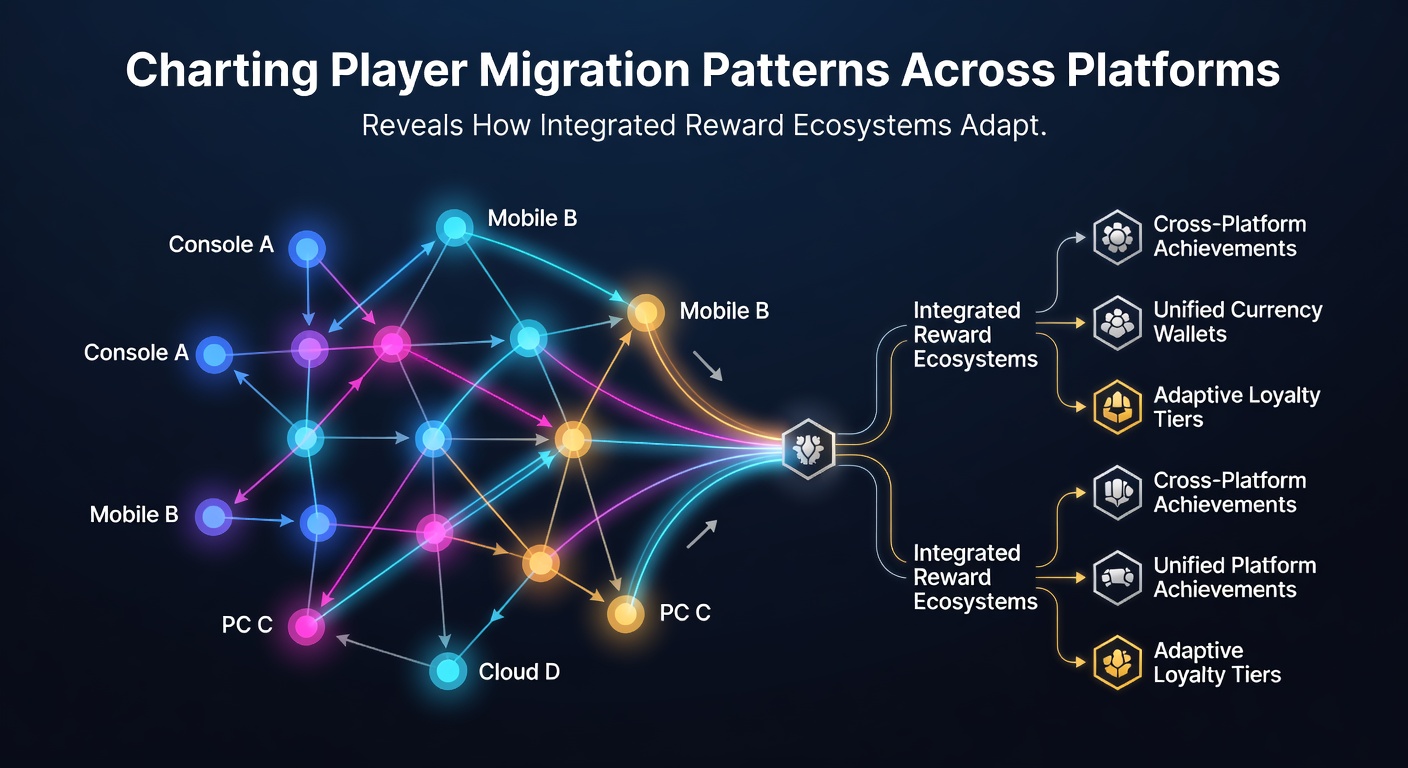
Reward ecosystems have expanded beyond traditional gaming verticals to incorporate elements from streaming services and social platforms. Data aggregated by the Interactive Software Federation of Europe shows that players who alternate between competitive gaming sessions and live-stream viewing retain higher overall engagement when reward points transfer across those activities. Several programs now credit time spent watching associated content streams toward in-game currency or tournament entry credits.
Academic studies published in the Journal of Digital Media Economics tracked reward redemption rates across platform boundaries during the spring of 2026. Results indicated that users who redeem rewards on a secondary device after initiating progress on a primary device complete the full cycle 41 percent more often than those restricted to single-device redemption. These findings prompted multiple operators to simplify cross-device claim processes.
Regional Variations in Adaptation Strategies
North American markets have emphasized seamless account portability and instant point synchronization, while European operators focused more heavily on regulatory-compliant data sharing agreements that permit reward continuity without compromising privacy standards. Australian operators, meanwhile, introduced time-zone adjusted challenges that align with migration patterns between work and leisure devices. Each approach reflects local regulatory frameworks and documented user behavior within those jurisdictions.
Payment method preferences also influence how rewards travel with players. Research compiled by the Australasian Gaming Council found that users favoring digital wallets complete more cross-platform transactions than those relying on traditional cards, prompting several reward programs to offer bonus multipliers for wallet-linked activity regardless of originating device.
Conclusion
Tracking player movement across platforms has given operators clearer signals about where and when users engage with digital entertainment. Integrated reward systems continue to evolve by aligning point structures, redemption options and incentive timing with observed migration flows. Data collected through May 2026 confirms these adjustments maintain participation levels even as users distribute activity across multiple devices and content types.