24 Jul 2026
Decoding Deposit Sequence Variations That Shape Initial Reward Allocations Across Smartphone Entertainment Platforms
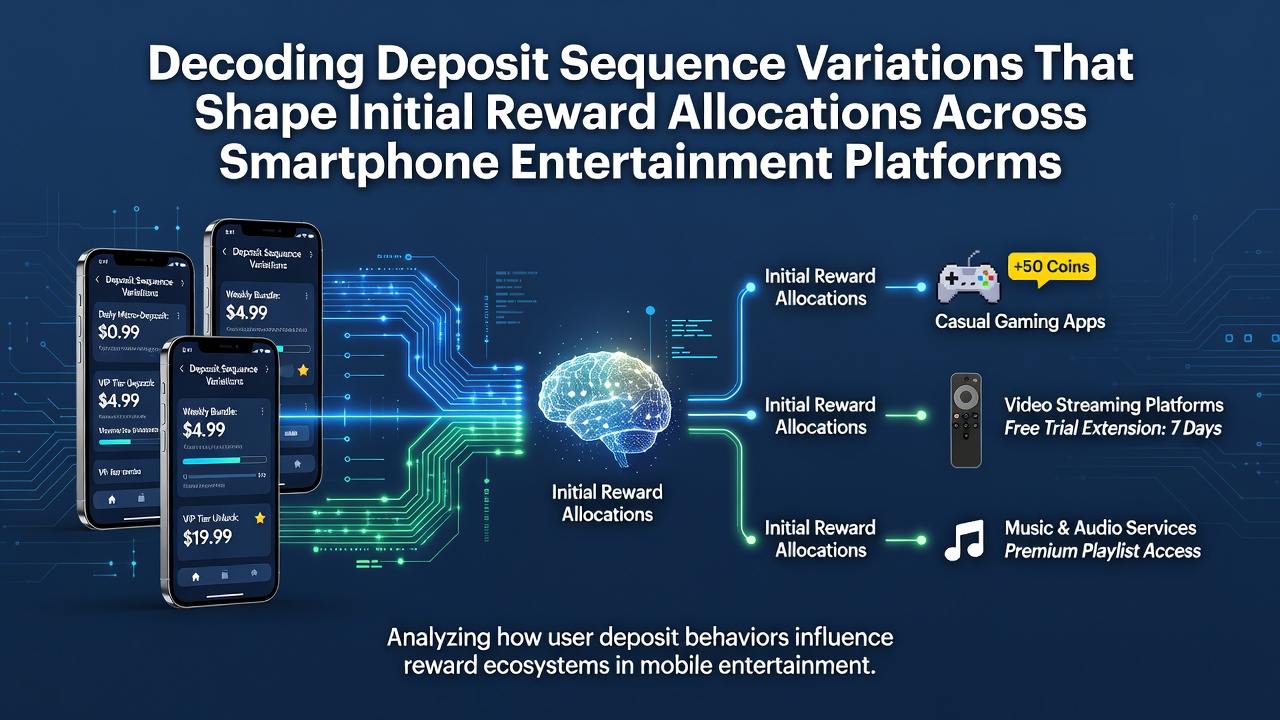
Smartphone entertainment platforms process deposit sequences through structured algorithms that determine how initial rewards get allocated based on timing, amount patterns, and frequency of user actions. Researchers have tracked these mechanisms across multiple operating systems and app frameworks, noting that single large deposits often trigger different reward tiers compared to staggered smaller transfers completed over several days. Data from industry monitoring services shows that platforms adjust allocation formulas in response to user behavior logs collected during the first 72 hours after account activation.
Core Mechanics of Sequence Detection
Platforms identify deposit sequences by logging each transaction against user profiles and cross-referencing them with historical activity data. A first deposit of a fixed amount followed by two smaller additions within 48 hours can activate layered reward structures, whereas the same total value delivered in one transfer may route users toward a single upfront allocation. Observers note that these distinctions arise because backend systems evaluate velocity and distribution rather than aggregate sums alone. Studies conducted by academic teams at institutions in Canada and Australia have mapped these detection routines, revealing that timing thresholds typically reset after seven days unless users maintain consistent activity patterns.
Developers implement these rules through conditional scripts that scan transaction metadata in real time. When a sequence matches predefined criteria, the system releases corresponding reward units that appear in user accounts as credits or access passes. Evidence from platform documentation indicates that variations in sequence length directly influence whether rewards remain confined to the initial tier or unlock secondary levels available only after additional verification steps.
Regional Platform Adaptations Observed in Mid-2026
During July 2026, several North American and European smartphone entertainment providers updated their sequence detection modules to align with new data protection requirements. These revisions altered how initial reward allocations respond to deposits made across different currency zones, particularly when users switch between domestic and international payment methods. Reports compiled by the Australian Communications and Media Authority detail similar adjustments on regional platforms, where sequence variations now factor in cross-border transaction delays that can extend up to 36 hours.
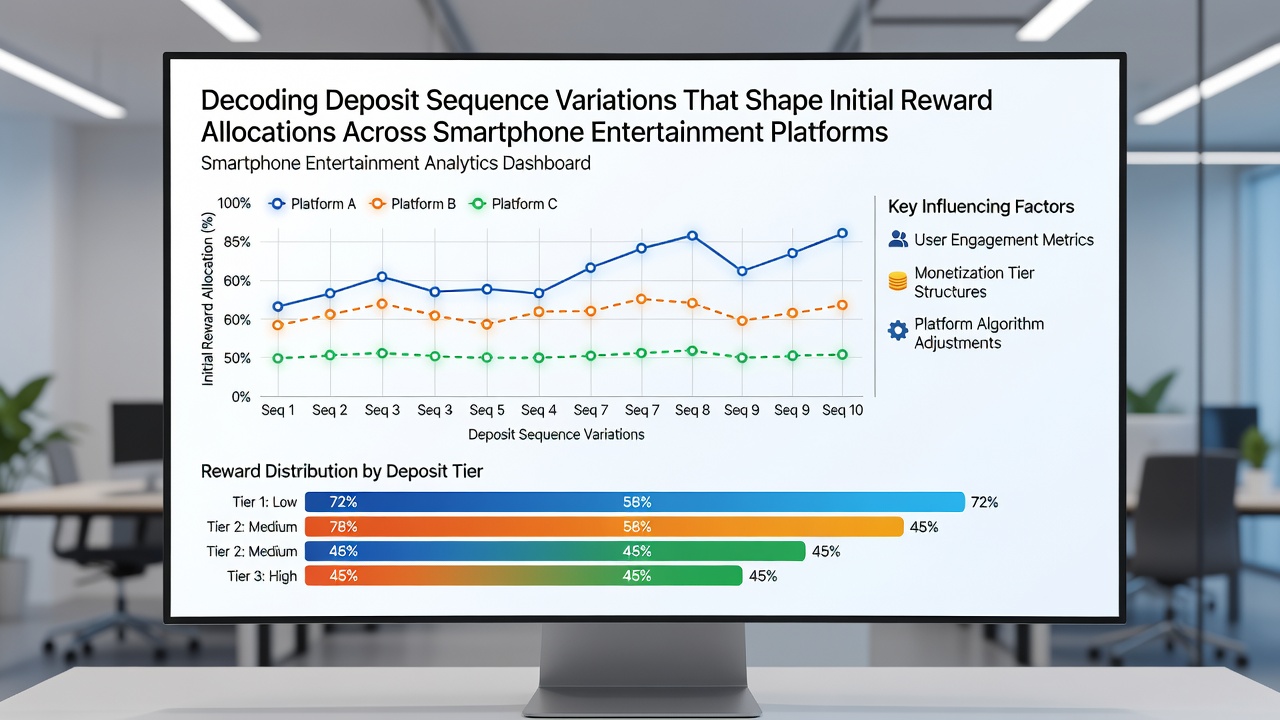
Users who complete deposits in three equal installments spaced 24 hours apart receive allocations distributed across multiple reward categories, according to internal testing summaries released by development firms. In contrast, those who front-load the full amount in a single action often see rewards concentrated in one category. Platform operators in the United States have documented these outcomes through anonymized usage datasets shared with research partners, confirming that sequence order remains a primary variable in allocation logic even after software patches deployed in early summer 2026.
Impact of Payment Method Integration
Payment method selection interacts with sequence detection because certain processors transmit confirmation data at different speeds. Bank transfers processed through domestic networks typically clear faster than international card transactions, allowing platforms to evaluate sequences within tighter time windows. Analysts at the European Gaming and Betting Association have compiled comparative figures showing that reward activation rates vary by as much as 18 percent depending on the chosen method and the resulting sequence timing. Platforms compensate by adjusting allocation thresholds dynamically, ensuring that slower confirmations do not automatically disadvantage users who follow otherwise valid deposit patterns.
Those who study mobile transaction flows point out that integration with digital wallets introduces additional variables, since wallet providers sometimes batch confirmations at set intervals. This batching can compress or expand the perceived sequence length, shifting reward allocations accordingly. Data collected across multiple device types demonstrates that iOS and Android implementations handle these timing discrepancies through separate calibration routines maintained by each platform operator.
Conclusion
Deposit sequence variations continue to serve as foundational inputs for reward allocation systems on smartphone entertainment platforms. The interplay between transaction timing, amount distribution, and payment infrastructure determines how initial rewards reach users, with updates observed through mid-2026 reflecting ongoing refinements to detection algorithms. Continued monitoring by regulatory bodies and research groups provides the data necessary to understand these processes across different regions and device ecosystems.