15 Jul 2026
Decoding Engagement Cycles That Direct Users from Video Game Interactions to Advanced Portable Advantages and Professional Table Events
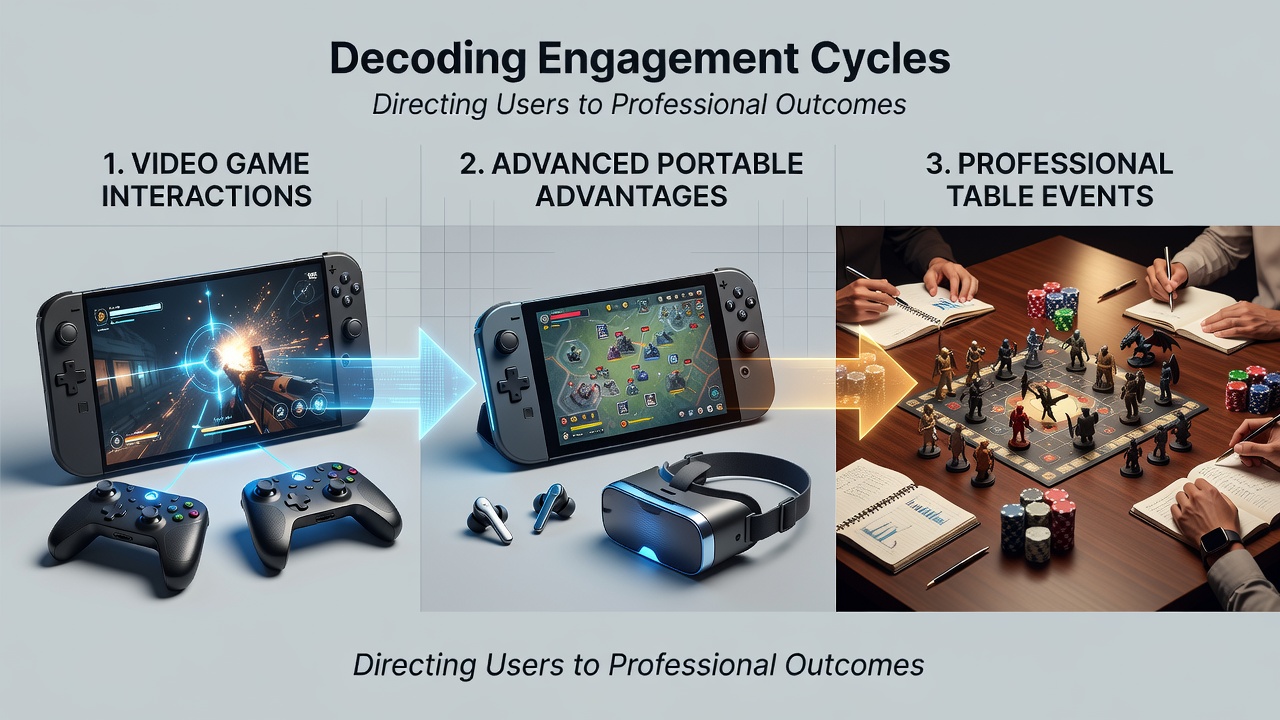
Engagement cycles in digital entertainment begin with video game interactions that capture user attention through mechanics like leveling systems, competitive matches, and reward loops. These patterns establish habits that carry over when platforms introduce integrated features such as mobile access points. Data from industry tracking shows players who spend extended sessions in action titles often explore linked applications within the same ecosystem, where portable advantages appear in the form of tiered rewards and device-specific incentives.
From Console Sessions to Mobile Reward Structures
Video game environments train participants in quick decision cycles and resource management, elements that align with the structure of mobile gaming applications offering no-deposit entry points and progressive VIP ladders. Research from the American Gaming Association indicates that cross-platform users in North America increased their mobile session frequency by measurable margins during the first half of 2026, with many transitioning after initial exposure to in-game events that mirror casino mechanics. Observers note that these shifts occur because the same dopamine responses triggered by completing game objectives reappear when users claim portable perks through apps on smartphones and tablets.
Portable advantages include free spin allocations, cashback tiers, and exclusive access codes that activate directly on mobile devices without requiring separate logins. Those who have studied player behavior patterns report that individuals moving from video games to these features maintain higher retention rates when the interface preserves familiar navigation elements such as swipe controls and quick-tap menus. Figures released in July 2026 by regulatory bodies in multiple jurisdictions reveal steady growth in mobile transaction volumes tied to these reward structures, particularly among users aged 25 to 40 who previously focused on console titles.
Pathways Leading Toward Professional Table Events
Once mobile advantages accumulate, engagement cycles extend further by routing participants toward live dealer competitions and tournament entries. The transition relies on layered incentives that convert accumulated points or spins into qualifying credits for table events broadcast through the same applications. Studies conducted by university research teams in Australia and Canada have documented how reel performance metrics from initial game sessions feed directly into eligibility algorithms that unlock croupier-hosted showdowns.
Professional table events encompass poker rooms, blackjack tables, and roulette sessions that operate in both physical venues and streamed formats. Players who advance through portable tiers often receive priority notifications for these events, including seat reservations and bonus buy-ins. Data compiled by European gaming associations shows that integrated reward ecosystems recorded a notable uptick in live event registrations during mid-2026, coinciding with software updates that synchronized mobile progress with tournament calendars. What's interesting is the way feedback loops reinforce continued participation because successful mobile sessions directly influence the ranking positions available at dealer tables.
Mechanics That Sustain the Cycle Across Platforms
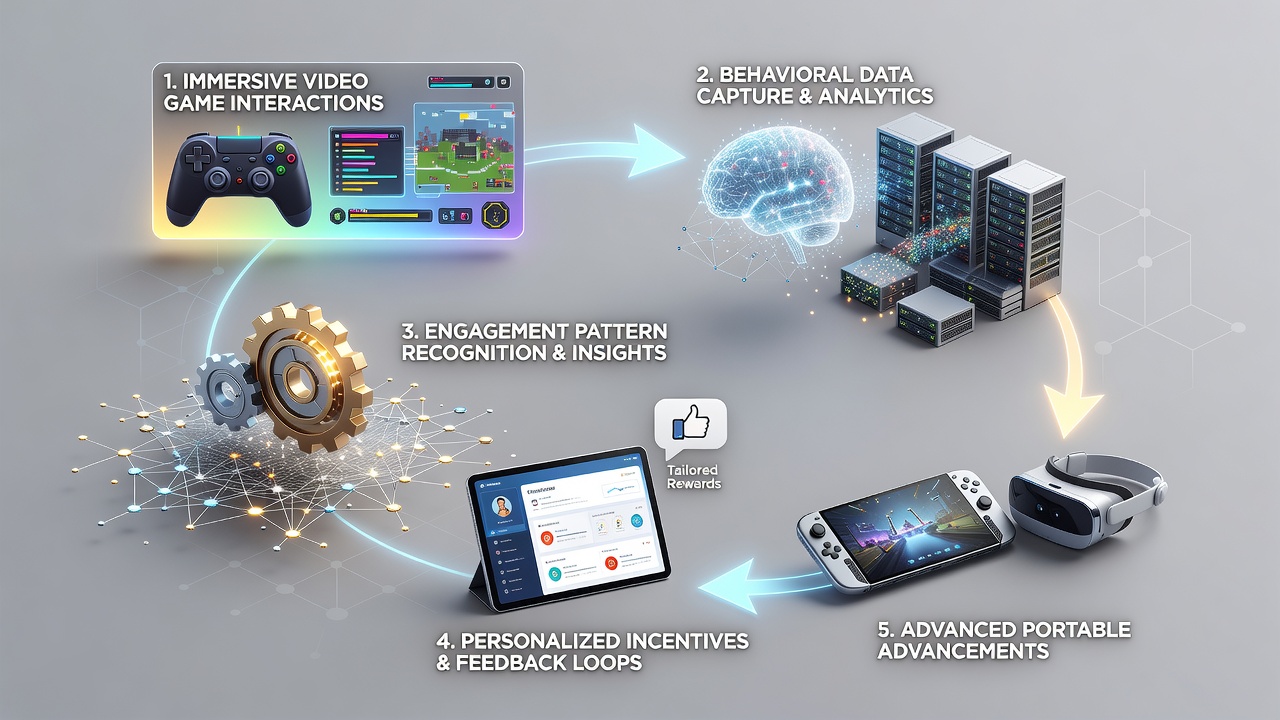
Sequence analysis of user actions demonstrates that reel outcomes and in-game achievements serve as entry points that channel activity into multi-platform dealer access. Applications track metrics such as spin frequency and win streaks to determine when users qualify for escalated perks that include live interaction privileges. Those tracking these patterns across regions observe consistent movement from single-device gaming to synchronized experiences that span phones, tablets, and physical casino floors.
Industry reports highlight that regulatory frameworks in places like Nevada and parts of Asia require transparent tracking of these transitions to ensure compliance with responsible gaming standards. In July 2026 several operators implemented updated dashboards that display how portable advantages convert into table event entries, giving participants clearer visibility into their progression. The reality is that these systems rely on algorithmic connections rather than random prompts, creating predictable routes from video game origins to advanced professional engagements.
Conclusion
Engagement cycles operate through interconnected stages that begin with video game interactions and progress through mobile reward layers before reaching professional table events. Evidence from multiple sources confirms that players follow these routes when platforms maintain consistent mechanics and incentive structures across devices. Continued monitoring by regulatory and research entities will shape how these patterns evolve in coming periods, particularly as portable technologies advance and live event formats expand.