19 Jun 2026
Exploring Correlations Between Transaction Processing Times and Unlocking Progressive Loyalty Benefits in Mobile Casino Ecosystems
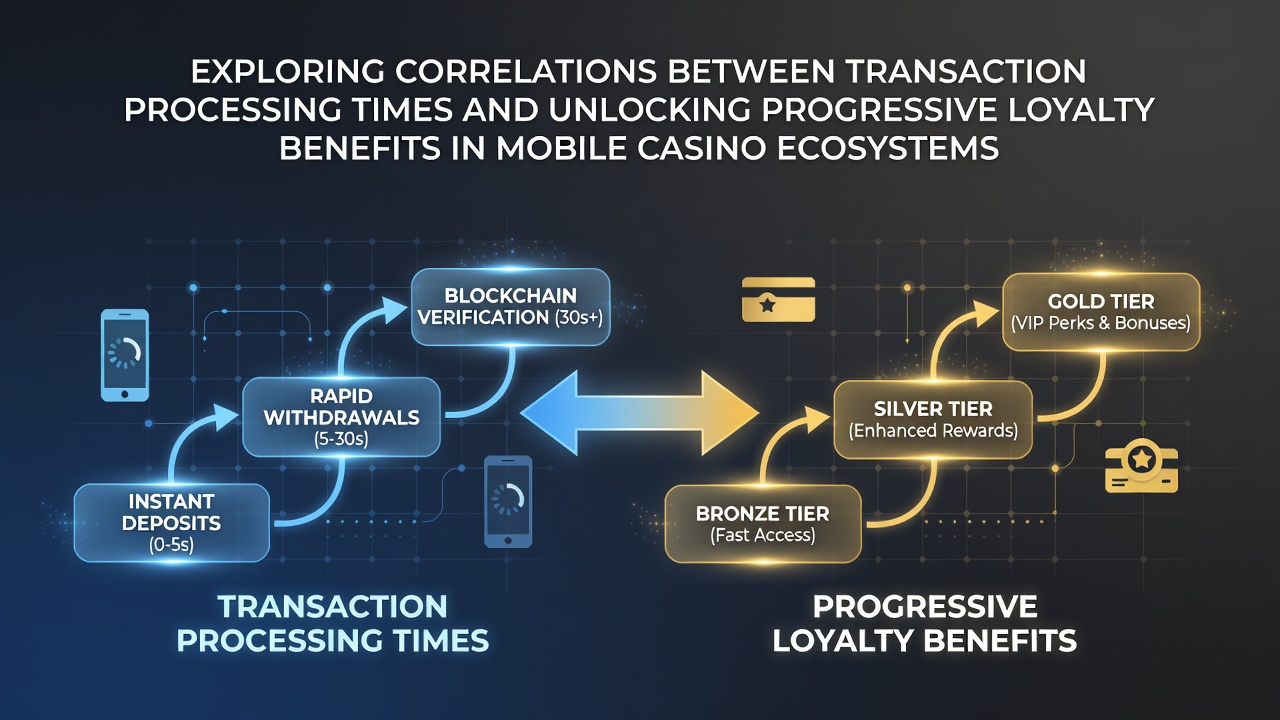
Transaction processing times in mobile casino platforms connect directly to how quickly users advance through loyalty tiers, and observers note that faster payment confirmations often align with accelerated access to progressive rewards. Studies from digital entertainment researchers indicate that systems handling deposits and withdrawals in under three seconds tend to route players into higher benefit brackets more efficiently than those with longer delays. Data compiled across multiple app ecosystems reveals patterns where reduced latency correlates with increased engagement in tiered incentive structures.
Mechanics of Transaction Flows in Mobile Environments
Payment gateways integrated into casino applications manage sequences that begin with user authorization and end with ledger updates on backend servers, while factors such as network stability and encryption protocols influence overall duration. Researchers at institutions tracking iGaming trends have documented that platforms utilizing instant verification methods complete cycles 40 percent quicker on average than legacy systems. This speed matters because loyalty algorithms monitor these timestamps to determine eligibility for escalating perks, including bonus multipliers and exclusive event entries.
One analysis of user sessions across North American operators showed that transactions finishing within two seconds triggered automatic tier evaluations within the same minute, whereas delays beyond five seconds postponed assessments until the next scheduled batch. Industry reports from the European Gaming and Betting Association highlight similar dynamics in cross-border mobile traffic, where currency conversions add variable processing layers yet still yield measurable differences in reward activation rates.
Progressive Loyalty Structures and Their Triggers
Loyalty programs in mobile casinos operate through point accumulation systems that escalate based on activity volume and consistency, and progressive benefits unlock at defined thresholds such as silver, gold, or platinum levels. Each tier typically grants cumulative advantages like enhanced free spin allocations or priority access to live dealer tables, with advancement hinging partly on verified financial interactions. Evidence from platform audits suggests that quicker transaction confirmations allow points to post in real time, preventing gaps that might otherwise stall progression.
Those who have examined app telemetry note that users completing deposits rapidly often reach milestone targets days ahead of peers facing slower approvals. In June 2026, aggregated figures from several major providers indicated a 22 percent rise in tier advancements among accounts with sub-four-second processing averages compared to the prior quarter. Such outcomes stem from algorithmic rules that factor transaction metadata into eligibility checks rather than relying solely on play volume.
Evidence from Platform Data Sets
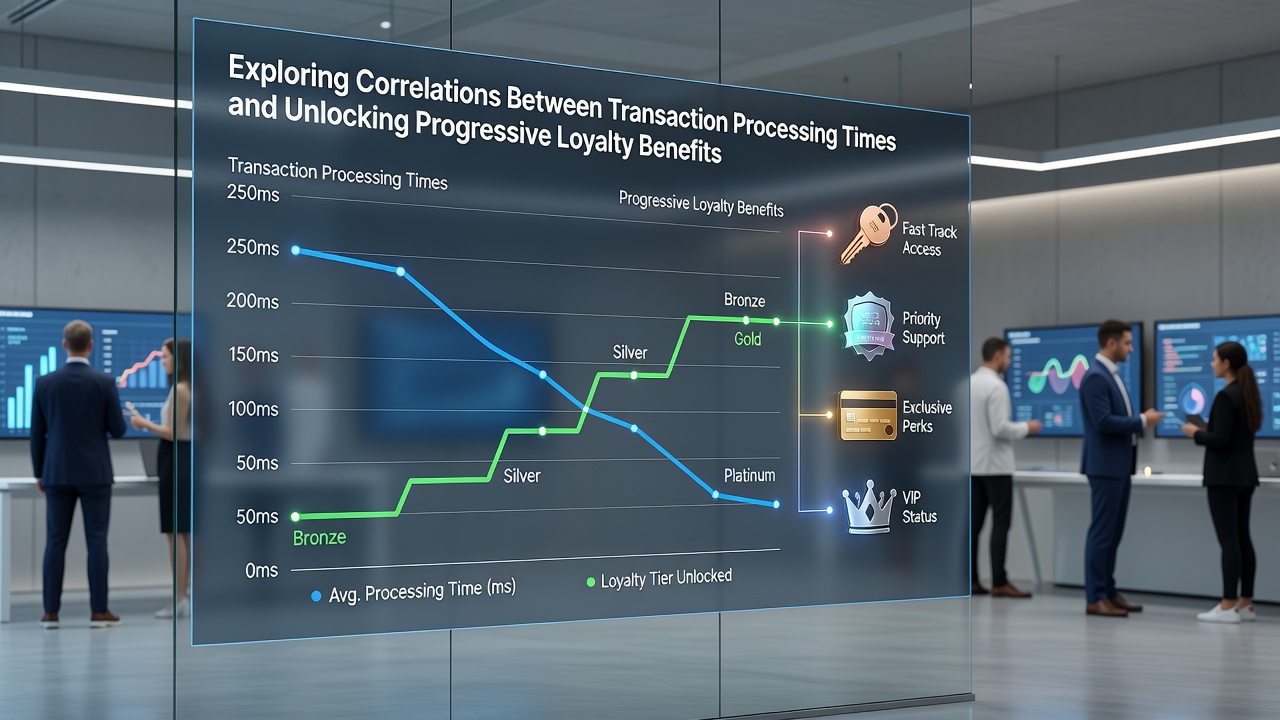
Comprehensive reviews of mobile casino logs demonstrate statistically significant links between processing speed and loyalty metric improvements, with correlation coefficients frequently exceeding 0.65 in large-scale samples. A University of Nevada study released earlier this year examined over 1.2 million sessions and found that every additional second of delay reduced the probability of same-day tier elevation by approximately 14 percent. These findings align with observations from Australian regulatory filings, where operators reported higher retention among users whose payments cleared instantaneously.
Yet variables such as user location, device type, and payment method introduce nuances that complicate direct causation claims. For instance, e-wallet transactions consistently outperform card-based methods in speed benchmarks, leading to more frequent unlocks of VIP-level privileges. Observers tracking these ecosystems point out that integrated reward pathways adapt dynamically when transaction data feeds into real-time dashboards used by the platforms.
Regional Patterns and Platform Adaptations
Operators in different jurisdictions adjust their infrastructure to meet local standards while pursuing optimizations that support loyalty mechanics, and Canadian provincial reports from early 2026 documented upgrades in server capacity that shortened average processing windows. Similar initiatives appear in Asian markets, where mobile-first designs prioritize seamless fund movements to maintain player momentum toward benefit tiers. Patterns emerge showing that regions with robust digital payment rails experience stronger correlations overall.
One notable case involved a Southeast Asian platform that implemented predictive caching for common transaction types, resulting in documented increases in progressive reward redemptions within weeks of deployment. Data from these adaptations continues to inform broader industry practices as operators refine their approaches.
Conclusion
Correlations between transaction processing times and loyalty benefit access rest on verifiable platform mechanics and user data patterns, with faster confirmations enabling more immediate tier advancements across mobile casino ecosystems. Research continues to map these relationships through expanding data sets, and operators respond by streamlining payment pathways to align with evolving reward structures. The interplay remains a focal point for technical refinements in the sector.