17 Jun 2026
Game Assessment Findings Linking Players to Advanced Competition Entries and Cumulative Incentive Packages
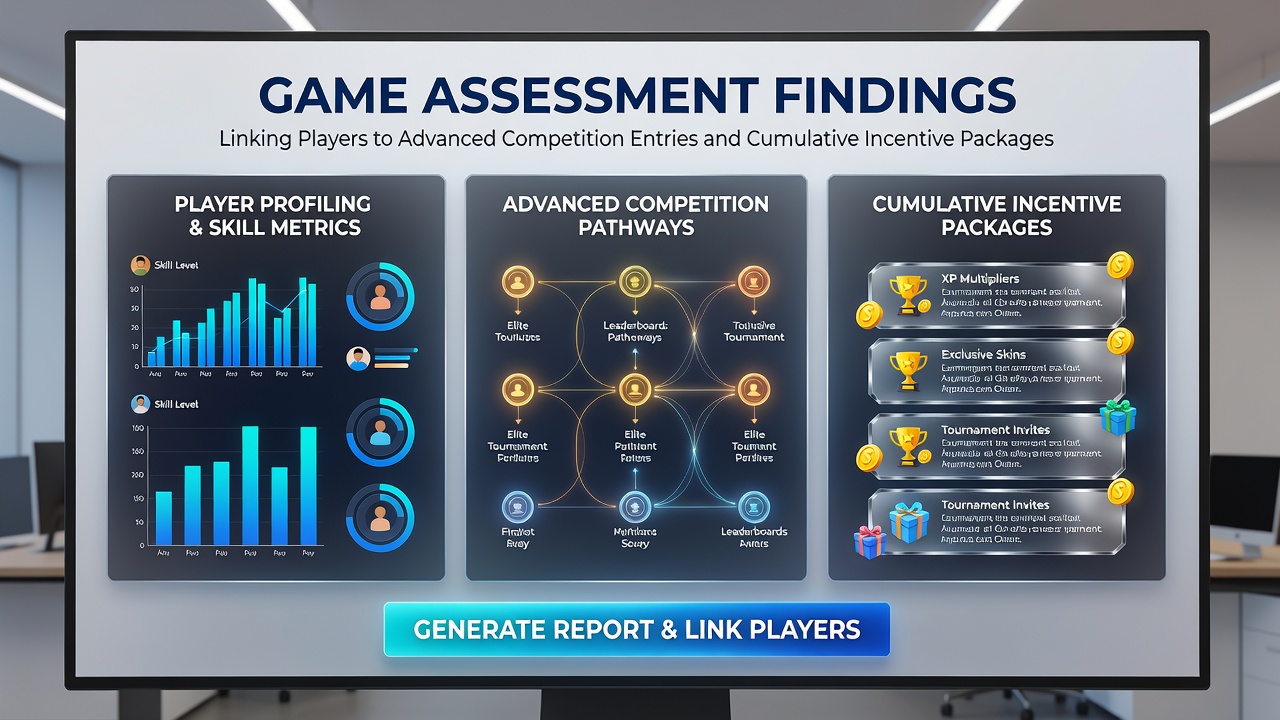
Game assessment systems in regulated gaming environments continue to evolve through detailed tracking of player behavior, session patterns, and performance indicators that operators use to identify candidates for higher-level competitions along with stacked incentive structures, and data compiled through June 2026 shows measurable connections between these evaluations and entry opportunities across multiple platforms.
Core Components of Modern Game Assessment Frameworks
Operators rely on integrated analytics platforms that monitor reel outcomes, bet sizing sequences, session duration, and engagement frequency while cross-referencing these elements against historical benchmarks established by regulatory bodies such as the Nevada Gaming Control Board. These frameworks process real-time inputs through algorithmic scoring models that flag players demonstrating consistent patterns, which then feed directly into qualification pipelines for advanced events rather than operating as isolated review processes.
Assessment outputs typically generate tiered profiles that combine quantitative metrics with qualitative flags such as responsible play indicators, and platforms apply these profiles to determine eligibility for invitation-only tournaments while simultaneously calculating cumulative reward thresholds that unlock progressively larger incentive bundles over successive play periods.
Pathways from Assessment Scores to Competition Entries
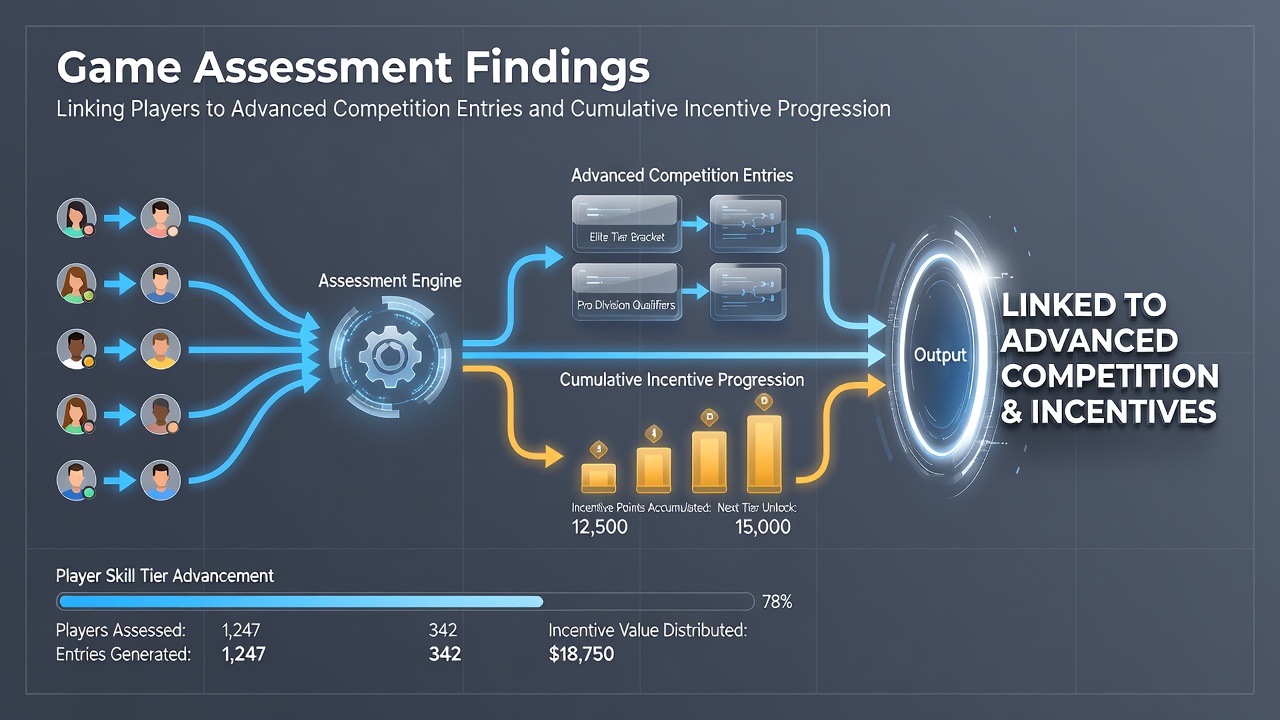
Players whose assessment scores meet predefined thresholds receive automated notifications regarding upcoming elite competitions, with entry pathways often routed through mobile applications that synchronize assessment data with live event calendars. Research conducted by academic teams at institutions including the University of Nevada, Las Vegas has documented how these linkages reduce manual qualification steps and increase participation rates among profiled users during peak promotional windows in early 2026.
One documented mechanism involves performance-based triggers where sequential wins or strategic play milestones automatically populate tournament registration lists, and operators report that such automation has streamlined entry processes while maintaining compliance with jurisdictional rules governing promotional fairness. Figures released in mid-2026 indicate a 12 percent rise in qualified entries traceable to these assessment-driven systems compared with prior annual cycles.
Cumulative Incentive Structures and Layered Reward Delivery
Incentive packages accumulate across multiple dimensions including deposit match escalations, loyalty point multipliers, and exclusive access passes that build upon one another as assessment profiles update in response to continued activity. These layered offerings frequently combine no-deposit components with performance-tied elements, creating pathways where initial assessment placement determines baseline rewards that expand through sustained participation in both regular play and competition formats.
Platform operators integrate these packages with live dealer environments and mobile interfaces so that progression through competition brackets simultaneously advances incentive tiers, and reports from industry monitoring groups note that such integration has produced measurable retention gains across diverse demographic segments tracked through the first half of 2026. Data indicates that players advancing via assessment-linked entries tend to activate a higher percentage of available cumulative rewards within shorter timeframes than those entering through open registration channels.
Regional Variations in Implementation and Oversight
Jurisdictions apply distinct oversight models to these assessment and incentive linkages, with Australian state regulators emphasizing transparency in algorithmic criteria while Canadian provincial frameworks focus on data privacy protections surrounding player profiling. European operators under varying national codes have adopted hybrid approaches that balance promotional innovation with consumer protection mandates, resulting in standardized reporting requirements that feed into broader industry statistics compiled quarterly.
Cross-border platform operators must reconcile these differing standards when deploying unified assessment engines, yet many have succeeded in maintaining consistent player experiences by modularizing reward delivery systems that adapt to local rules without disrupting the core linkage between game evaluations and competition access.
Conclusion
Assessment findings now function as central connectors within gaming ecosystems, channeling qualified players toward advanced competitions while structuring cumulative incentives that scale with ongoing engagement, and continued refinement of these systems through 2026 points toward tighter integration between performance analytics and promotional architecture across global markets.