29 May 2026
Mapping Player Reaction Cycles That Channel Mobile App Users Toward Tiered Phone Perks and Live Table Events
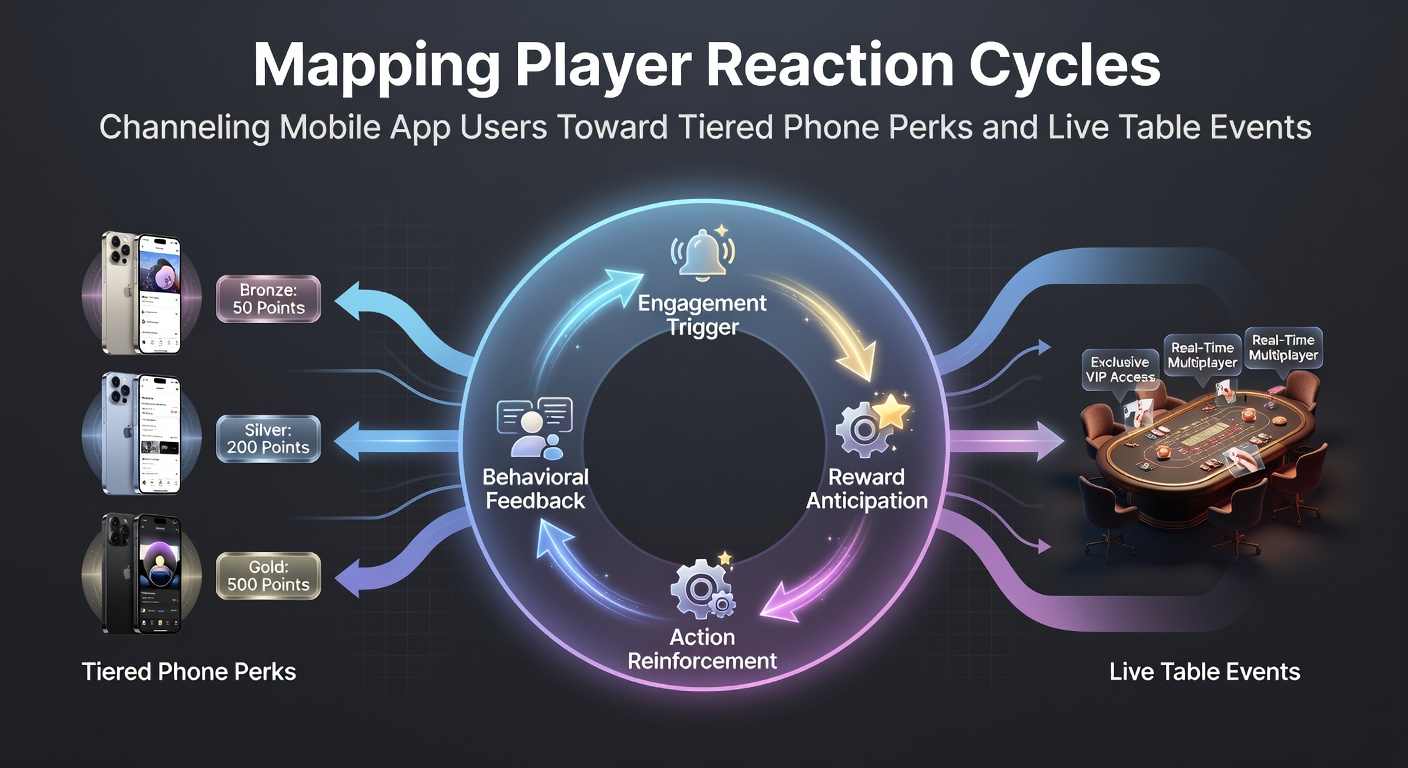
Player reaction cycles in mobile gaming apps operate through sequences of user interactions that operators track to guide participants from initial engagement toward structured reward tiers and live dealer sessions, according to industry analyses from regulatory bodies across multiple regions. These cycles begin with app downloads and session initiations, then progress via behavioral signals such as play frequency, bet sizing patterns, and response times to in-app prompts that data systems record in real time.
Core Components of Reaction Cycle Mapping
Mapping processes rely on algorithmic models that segment users based on metrics including login intervals, game selection sequences, and completion rates for tutorial modules, while operators integrate these data points with external benchmarks from sources like the American Gaming Association to calibrate progression thresholds. Reaction triggers often include push notifications timed to user activity peaks, which prompt actions such as deposit confirmations or bonus activations that feed into tier qualification criteria on mobile devices.
Phone-based perks emerge at intermediate stages where accumulated reaction data qualifies users for device-specific benefits, including exclusive app features like customized interface skins or accelerated withdrawal processing that align with loyalty level advancements. Systems record these transitions as closed loops because each perk redemption generates fresh interaction data that refines future cycle predictions and routing toward higher engagement tiers.
Integration With Tiered Incentive Structures
Tiered phone perks function as intermediate milestones that sustain cycle momentum because users who receive early rewards such as priority customer support access or bonus multiplier applications on mobile tend to extend session durations, which in turn elevates their placement within layered incentive programs. Observers note that these structures adapt dynamically, with algorithms adjusting perk availability based on aggregate reaction patterns collected across geographic user bases during periods including May 2026 platform updates.
Live table events represent terminal phases in many mapped cycles, where mobile activity data routes qualifying users to real-time dealer interactions through integrated scheduling tools that sync app profiles with live casino environments. Transition mechanisms typically involve in-app invitations triggered after threshold achievements, converting digital engagement into hybrid participation that combines phone perks with physical or streamed table access.
Data Flow and Predictive Routing Mechanisms
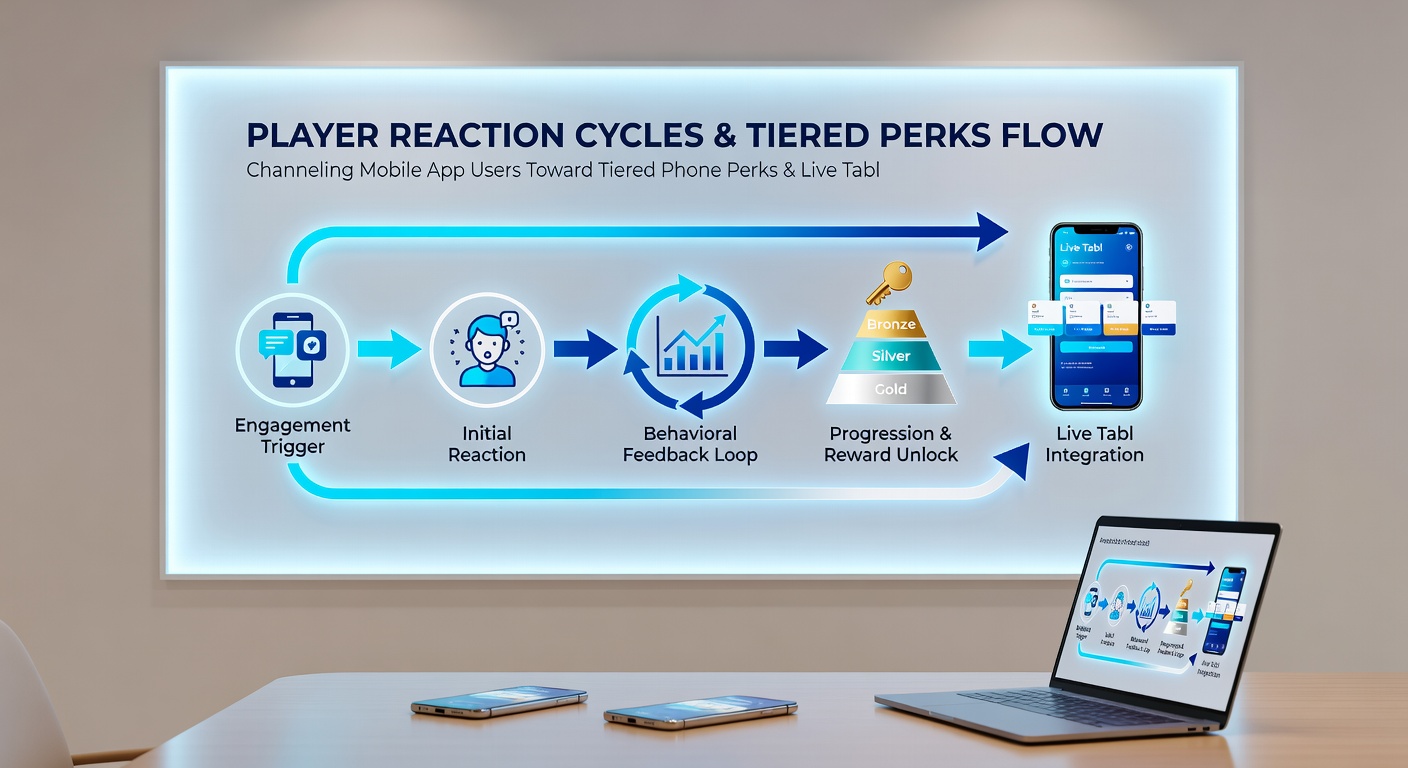
Data flows through centralized platforms that aggregate reaction inputs from touch gestures, decision latencies, and social sharing activities, then apply statistical filters to identify high-potential paths toward tier upgrades and event entries. Research from academic institutions such as those affiliated with the University of Nevada Reno gaming studies programs indicates that cycle efficiency improves when models incorporate variables like device type and regional preference variations, allowing operators to route users more precisely without manual intervention.
Operators employ A/B testing frameworks on app interfaces to validate cycle effectiveness, measuring uplift in tier advancement rates and live event registrations following adjustments to notification cadence or perk visibility. These tests produce iterative refinements that maintain cycle continuity because successful routes reinforce user retention signals while less effective ones trigger alternative branching paths within the same mapping architecture.
Regional Variations in Cycle Implementation
Implementation differs across jurisdictions because regulatory frameworks in areas such as Canadian provinces and Australian states impose distinct requirements on data handling and incentive transparency, which influences how reaction cycles incorporate compliance checkpoints before advancing users to phone perks or live tables. Figures from Canadian provincial gaming commissions reveal consistent patterns where mobile-first cycles achieve higher conversion rates to live events when localized content aligns with user reaction profiles.
Cross-platform compatibility ensures that cycles remain intact when users switch between devices, with backend systems preserving reaction histories that enable seamless tier status transfers and event access credentials. This continuity supports sustained engagement because participants encounter consistent progression cues regardless of access point, reducing friction in the movement toward combined mobile and live experiences.
Conclusion
Reaction cycle mapping in mobile casino applications creates structured pathways that connect initial user behaviors with tiered phone perks and live table participation through continuous data collection and adaptive routing. These systems draw on established metrics and external benchmarks to maintain progression integrity across user segments and regulatory environments. As platforms evolve with updates recorded through May 2026, the underlying architectures continue to prioritize measurable interaction sequences that link digital activity directly to broader entertainment offerings.