22 Jul 2026
Payment Channel Dynamics Facilitating Access to Exclusive Slot Tournaments and Advanced Membership Structures
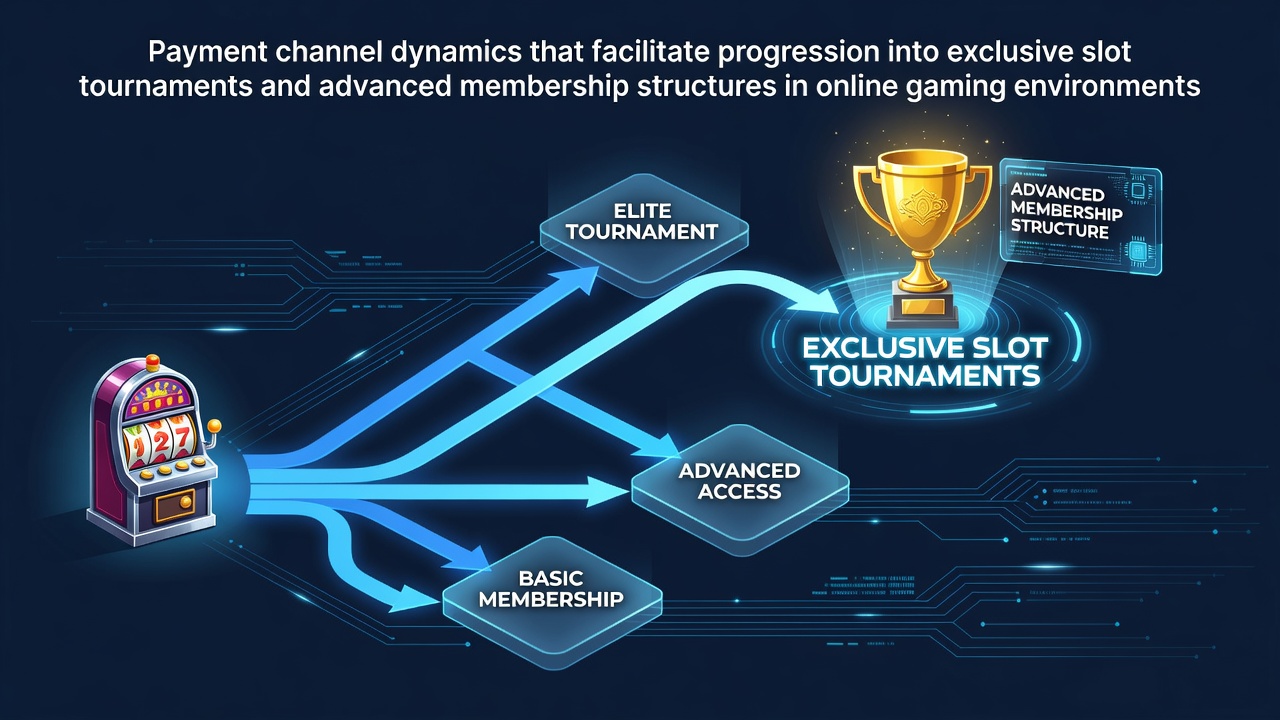
Payment channel dynamics shape how players move from standard accounts into exclusive slot tournaments and advanced membership structures across online gaming platforms, with transaction speed, verification processes, and fee structures determining eligibility timelines. Observers note that platforms integrate multiple payment options including credit cards, e-wallets, bank transfers, and digital currencies, each carrying distinct processing characteristics that influence progression rates into premium features.
Core Mechanics of Payment Integration
Transaction verification timelines vary significantly by method, where e-wallet deposits often complete within minutes while bank transfers may require one to three business days for clearance, directly affecting when players qualify for tournament entries or membership upgrades. Data indicates that platforms prioritize channels offering instant confirmation to accelerate account activity tracking, which feeds into reward algorithms that unlock higher tiers. In July 2026, industry reports highlighted a measurable shift toward digital currency options in certain jurisdictions because these methods bypass traditional banking delays and enable quicker accumulation of activity metrics required for exclusive events.
Fee structures further differentiate channels, with some providers charging minimal or zero fees for deposits while others apply percentages that reduce net playable amounts and slow progression toward threshold requirements. Researchers have documented cases where players selecting zero-fee e-wallets reached VIP qualification benchmarks faster than those using card-based methods subject to processing charges. These patterns emerge because net deposit values contribute directly to loyalty point calculations that platforms use to gate tournament access and membership benefits.
Pathways from Transactions to Tournaments
Exclusive slot tournaments frequently impose minimum deposit or wagering volume criteria tied to specific payment channels, creating structured routes where frequent use of approved methods grants automatic entry consideration. Platforms maintain internal ledgers that log channel usage alongside play volume, and those records determine seeding positions or qualification status for events limited to advanced members. Evidence suggests that players routing deposits through integrated e-wallet systems linked to platform partnerships accumulate qualifying metrics at accelerated rates compared with standalone card transactions.

Advanced membership structures operate on tiered models where payment channel consistency serves as one evaluation factor alongside total volume, with higher tiers granting priority tournament registration windows and reduced entry fees. According to figures from the New Jersey Division of Gaming Enforcement, transaction data from regulated platforms demonstrates correlations between preferred payment methods and tier advancement rates during the first half of 2026. Those patterns reflect automated systems that flag consistent high-value channel usage for expedited review by membership teams.
Regional Variations and Platform Adaptations
Jurisdictional regulations influence which channels platforms promote for tournament qualification, with some markets restricting cryptocurrency options while others encourage them through favorable tax treatment or faster settlement rules. Australian regulatory frameworks, for instance, emphasize responsible transaction monitoring that platforms incorporate into membership algorithms to balance access with compliance. Observers note that these regional differences create varied progression speeds, where players in permissive environments reach exclusive slot events more rapidly through optimized channel selection.
Platform operators adjust incentive structures seasonally, and July 2026 saw several major sites introduce temporary bonuses for deposits via newly integrated payment rails that directly fed into tournament qualification pools. These adaptations demonstrate how operators respond to transaction trend data by refining channel partnerships to sustain engagement within advanced membership layers.
Conclusion
Payment channel dynamics establish measurable routes into exclusive slot tournaments and advanced membership structures by linking transaction attributes to platform tracking systems that govern eligibility. Multiple data sources, including reports from the Australasian Gaming Council, confirm that verification speed, fee impact, and channel consistency remain central variables in determining how quickly players advance through tiered access models. These mechanisms continue evolving as platforms refine integration protocols to align payment flows with competitive event calendars and membership renewal cycles.