1 Jul 2026
Payment Routes Shaping Entry to Custom Table Gatherings and Loyalty Ascents in Digital Platforms

Payment routes in digital platforms determine how users gain entry to custom table gatherings while advancing through loyalty structures, and these pathways operate through specific transaction processors that platforms integrate with their access controls. E-wallets, bank transfers, and cryptocurrency options each carry distinct verification speeds and fee structures that influence whether a player qualifies for private dealer sessions or tiered reward escalations, according to transaction logs compiled by platform operators in mid-2026.
Observers note that faster settlement times associated with certain e-wallet providers allow immediate crediting of funds, which in turn unlocks invitation protocols for custom table events that require minimum balance thresholds. Bank transfers, by contrast, often involve longer processing windows that delay eligibility confirmations, yet they sometimes trigger additional loyalty multipliers once funds clear because platforms categorize them as higher-value deposits.
Transaction Types and Their Routing Effects
Digital platforms route payments through layered systems where each method feeds into separate databases that track player activity for both table access and loyalty progression. Cryptocurrency transactions, for instance, provide pseudonymous trails that some operators link directly to automated entry systems for invite-only dealer gatherings, while credit card routes typically pass through additional compliance layers that slow ascent toward premium loyalty tiers. Research from the Victorian Commission for Gambling and Liquor Regulation indicates that platforms using hybrid processors saw a measurable shift in July 2026 toward users selecting instant settlement options to meet custom event criteria.
Those who monitor these systems report that loyalty algorithms assign points based not only on deposit volume but also on the route taken, so a single cryptocurrency transfer might accelerate tier movement by bypassing intermediate verification steps that traditional cards encounter. This routing creates visible patterns where players who consistently choose certain gateways reach elite status faster and receive priority notifications for private table sessions.
Custom Table Access Through Verified Routes
Entry to custom table gatherings hinges on payment verification that confirms both identity and funding source, and platforms enforce these checks through automated gateways tied to loyalty profiles. When a user completes a deposit via an approved e-wallet that supports instant KYC cross-checks, the system often grants same-day access to scheduled dealer events that require verified high-balance accounts. Slower routes like wire transfers, although reliable, can postpone this access until the funds fully reconcile, which sometimes pushes players past event registration windows.
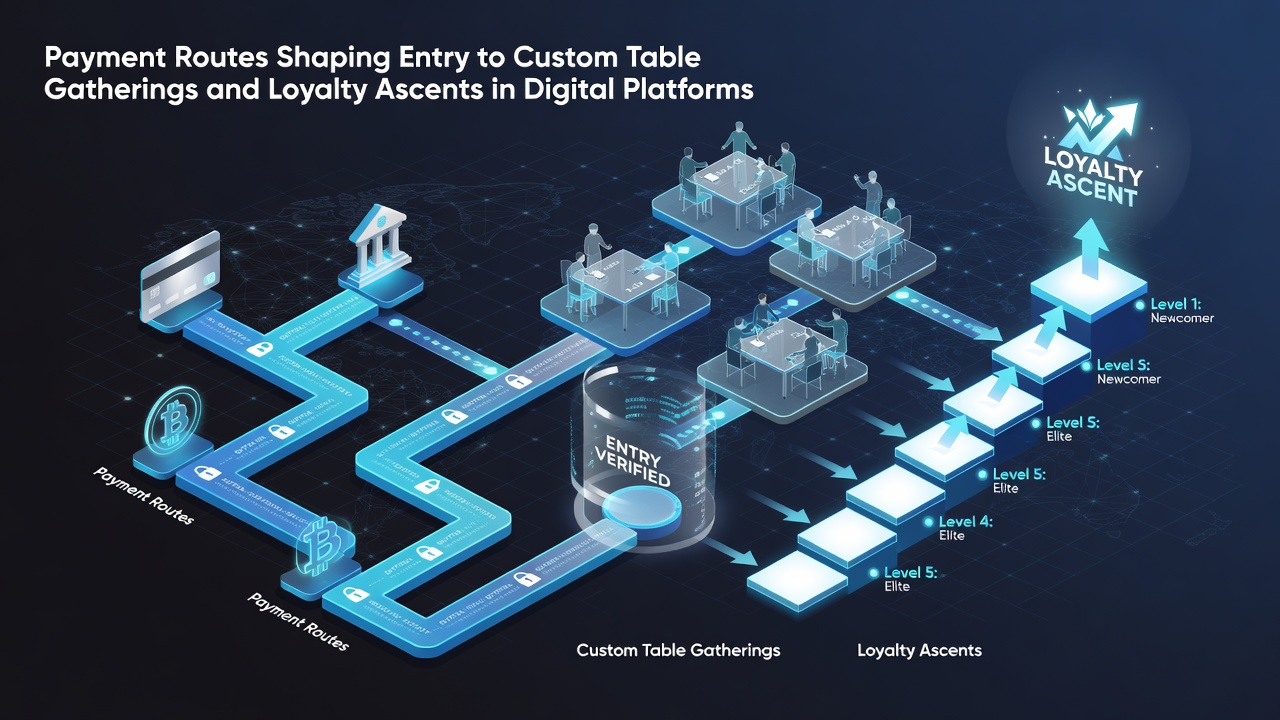
Platform data collected during July 2026 revealed that operators adjusting their routing preferences toward faster processors experienced higher participation rates in these private gatherings. The connection between payment speed and table eligibility stems from real-time balance updates that loyalty engines rely upon to issue invitations, and any delay in crediting interrupts that sequence.
Loyalty Tier Progression Linked to Payment Pathways
Loyalty ascents follow formulas that weigh deposit frequency, amount, and the specific route used, so players who select routes with lower friction accumulate qualifying activity more efficiently. Data from the New Jersey Division of Gaming Enforcement shows that in July 2026, accounts using integrated e-wallet systems reached mid-tier status at higher rates than those relying on card or transfer methods that trigger manual reviews. These differences arise because loyalty platforms embed route-specific multipliers that reward seamless transactions with accelerated point accrual.
Once a player advances, the same payment history continues to shape future opportunities, including priority placement in dealer competitions and custom events reserved for upper tiers. Observers tracking these ecosystems note that platforms periodically update their routing partnerships, which can shift how quickly users move between levels without altering the underlying point system itself.
Platform Adaptations in Mid-2026
During July 2026 several major digital operators expanded their accepted payment gateways to include additional instant options, and this expansion coincided with revised entry rules for custom table gatherings. The changes allowed more users to meet the verification standards required for loyalty-linked events, while maintaining compliance standards set by regional regulators. Those studying player migration patterns across platforms found that accounts switching to newly supported routes demonstrated quicker tier climbs and more frequent participation in private sessions.
These adaptations reflect ongoing refinements in how transaction data feeds into both access controls and reward calculations, yet the core mechanism remains the same: payment route selection directly influences eligibility outcomes.
Conclusion
Payment routes continue to function as gatekeepers that shape both entry to custom table gatherings and movement through loyalty structures on digital platforms, with transaction characteristics determining processing speed and point allocation. Data compiled through July 2026 confirms that platforms maintain distinct routing protocols for different methods, each carrying measurable effects on user access and progression. As operators refine these systems, the relationship between chosen payment pathways and resulting platform privileges stays central to how users navigate digital entertainment environments.