10 Jul 2026
Session Echoes in Gaming Software Routing Handheld Users Into Progressive Loyalty Ladders and Expert Table Battles
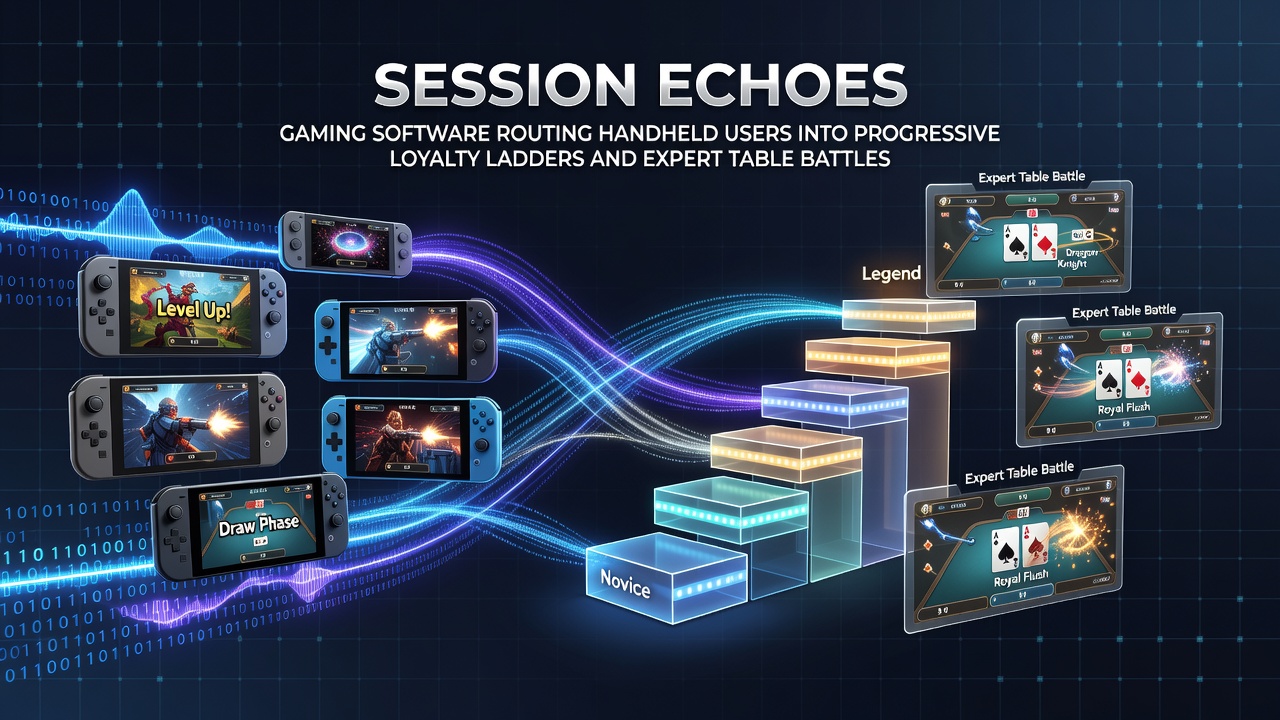
Session echoes represent the recurring data patterns that gaming software captures during mobile play sessions, and developers use these signals to direct users toward structured loyalty programs while opening doors to competitive table environments. Software platforms record every spin, bet placement, and session duration, then apply algorithms that identify repeat behaviors across days or weeks, which creates pathways for players to climb tiered reward structures without manual intervention.
Core Mechanics Behind Session Data Capture
Gaming applications on handheld devices log timestamps, wager sizes, and game selections in real time, and these logs form the foundation for echo detection systems that flag users who demonstrate consistent engagement patterns. Developers configure triggers that activate once a player completes a set number of sessions within a defined window, and the system responds by unlocking initial loyalty points that feed into broader reward ladders. Data from portable devices flows into centralized servers where machine learning models compare individual histories against aggregate trends observed across thousands of accounts.
Platforms integrate these echoes with progressive loyalty frameworks by assigning multipliers to consecutive play streaks, and users who maintain activity thresholds receive automatic upgrades to higher tiers that grant access to exclusive features. The process operates continuously, so a single extended session on a mobile slot title can initiate a chain reaction that routes the player toward both accumulated perks and invitations for live dealer competitions.
Progression Through Loyalty Ladders
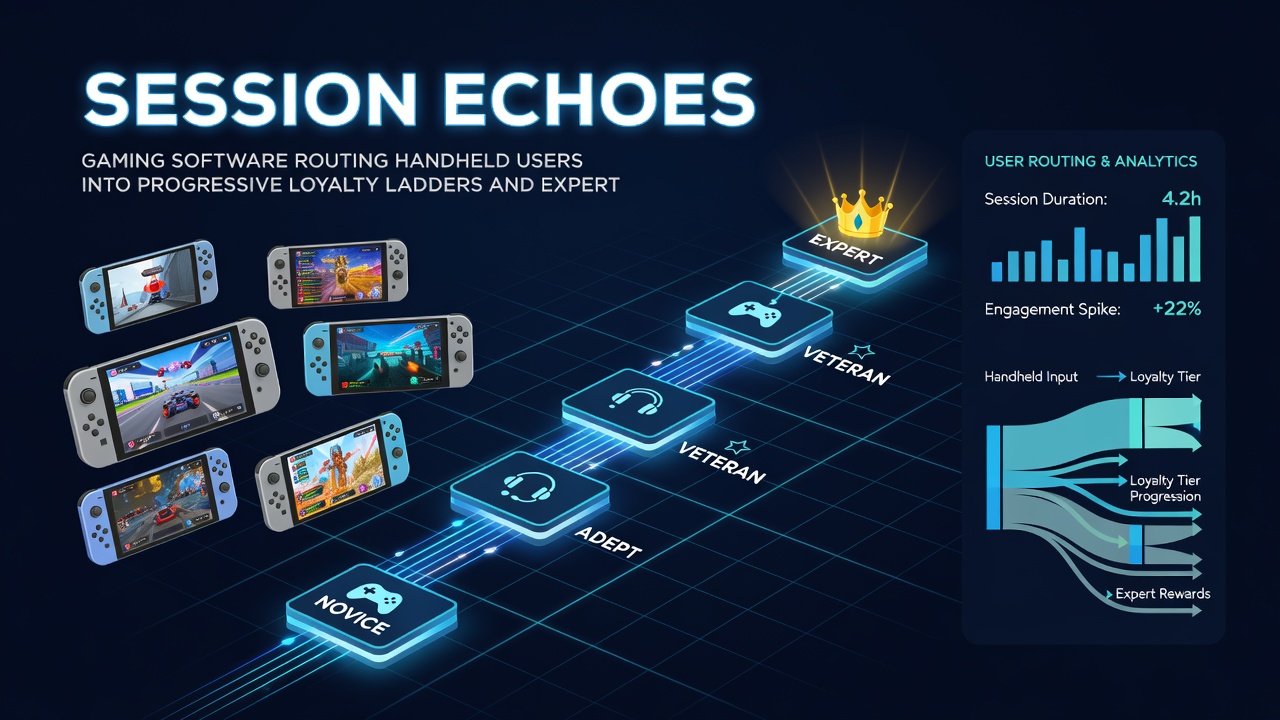
Loyalty ladders advance through discrete levels that software unlocks based on cumulative session echoes rather than one-time deposits, and each rung delivers incremental benefits such as accelerated point accrual or priority entry into scheduled events. Handheld users encounter these ladders through in-app notifications that appear after the system detects a matching echo pattern, and the interface guides them to claim rewards while simultaneously presenting options for escalating to table-based challenges. Research from the Australian Gambling Research Centre indicates that mobile platforms employing echo routing saw a measurable increase in tier advancement rates during the first half of 2026.
Operators structure these ladders so that lower tiers focus on bonus credits and free spin allocations, whereas mid and upper tiers incorporate direct links to expert table battles where participants compete for larger prize pools. The transition occurs seamlessly because the same data stream that tracks loyalty points also monitors eligibility for live dealer tournaments, and users receive prompts that align their current status with upcoming events.
Routing to Expert Table Battles
Expert table battles operate as scheduled competitions that software reserves for players who have accumulated sufficient echoes and loyalty tier status, and these events typically feature live dealers on platforms that support real-time interaction via mobile connections. Routing mechanics match session history with table availability, so a player whose echoes show preference for strategic games receives targeted invitations rather than generic promotions. In July 2026 several major operators expanded their mobile table offerings, and the integration of echo detection allowed faster matching of qualified users to these higher-stakes formats.
The connection between loyalty ladders and table access relies on shared data fields that track both reward accumulation and performance metrics from prior sessions, and this overlap enables the software to prioritize users who demonstrate both consistency and skill indicators. Handheld interfaces display countdown timers for upcoming battles alongside loyalty progress bars, which keeps participants engaged across multiple session types.
Technical Implementation Across Platforms
Developers embed echo detection modules within the core gaming engine so that every handheld interaction updates a persistent user profile without requiring separate applications, and this architecture supports cross-device continuity when players switch between phones and tablets. Cloud-based analytics process the incoming data streams in batches, and the results feed back into the client application within seconds to adjust displayed offers. According to figures released by the American Gaming Association, integrated echo systems contributed to higher retention metrics across mobile casino verticals in early 2026.
Security protocols encrypt session data during transmission, and compliance frameworks require operators to maintain audit logs that document how echoes influence routing decisions. These records allow regulators to verify that progression mechanics operate transparently and that players receive accurate information about the criteria governing tier advancement and table event eligibility.
Regional Adoption Patterns in 2026
North American operators adopted echo routing more rapidly than some international counterparts during the spring of 2026, while European and Asian platforms refined existing loyalty integrations to incorporate table battle linkages. Canadian regulatory bodies published preliminary data showing that mobile users exposed to echo-driven prompts completed loyalty tier climbs at rates 12 percent above those using static reward systems. The variations stem from differences in data privacy rules and the maturity of live dealer infrastructure in each jurisdiction.
Software vendors released updated toolkits in mid-2026 that standardized echo detection APIs, which simplified deployment for smaller operators seeking to connect handheld sessions with both loyalty ladders and competitive table formats. These toolkits include configurable parameters that let companies adjust sensitivity thresholds based on their player demographics and regulatory environment.
Conclusion
Session echoes function as the connective tissue between everyday mobile play and structured advancement systems, and gaming software continues to refine these mechanisms to maintain engagement while directing users toward loyalty progression and expert table participation. The data-driven approach ensures that routing decisions rest on observable behavior rather than random assignment, which produces consistent outcomes across diverse player groups. As platforms evolve through 2026 and beyond, the integration of echo tracking with loyalty and table features remains a central element of handheld gaming architecture.